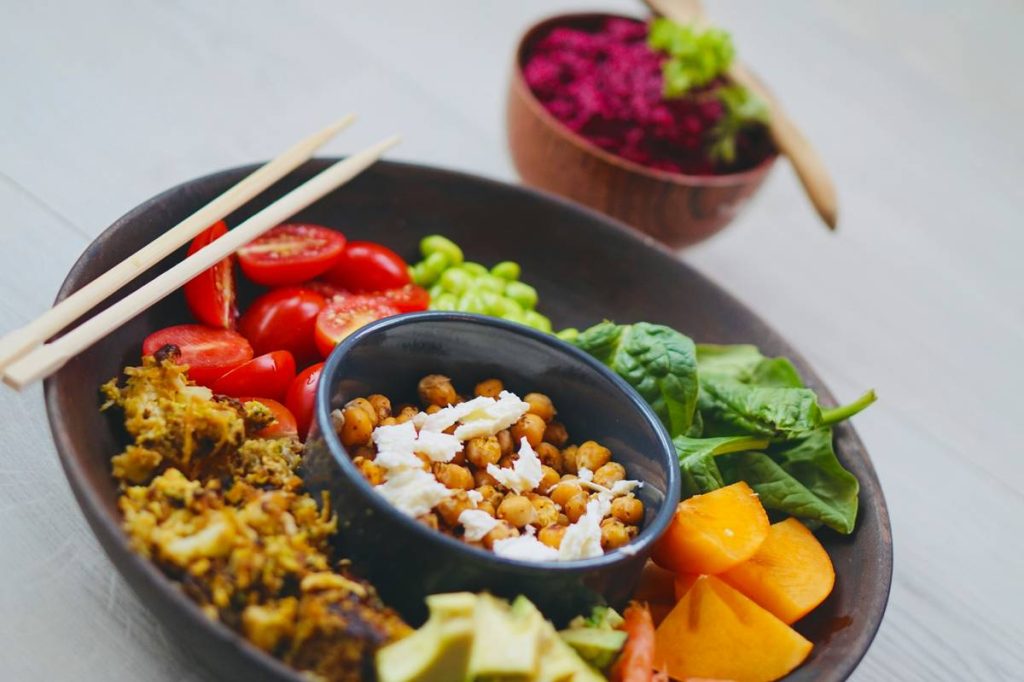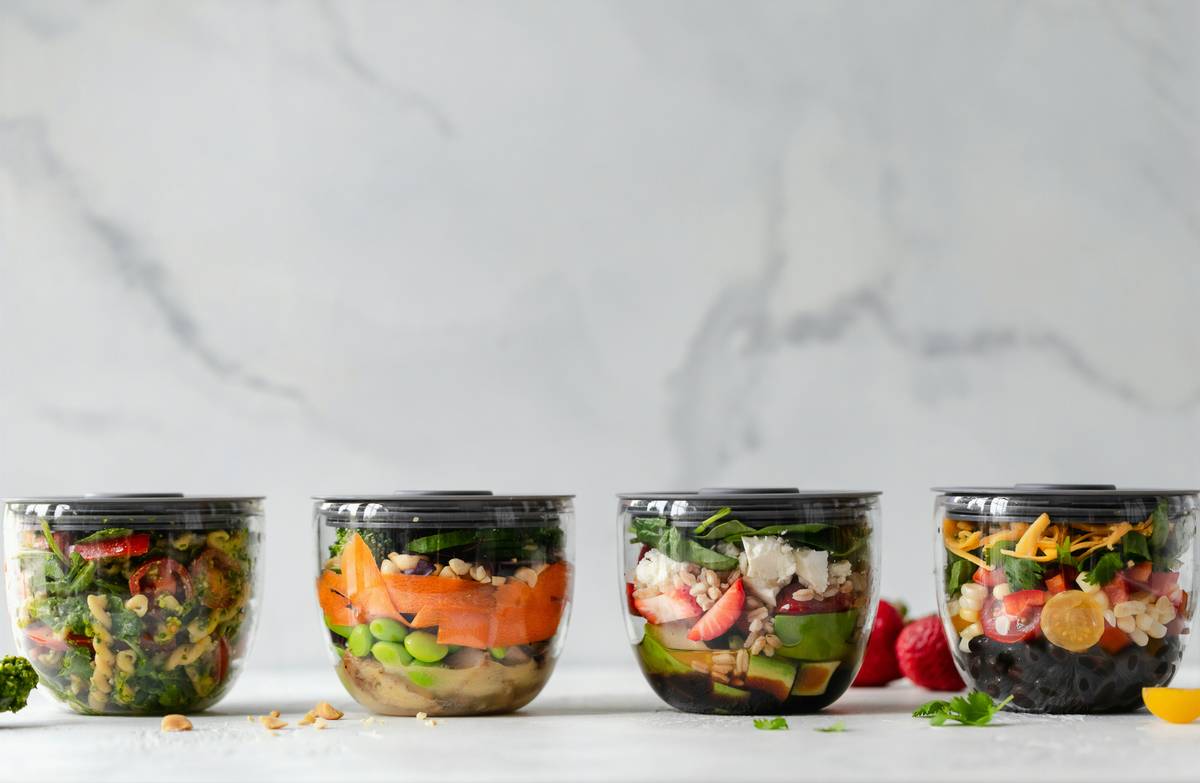
Ever ordered a “healthy” meal kit only to find it swimming in hidden sugars, sodium, or reheated mystery meat? You’re not alone. In today’s specialty food market, “doctor-approved” doesn’t always mean dietitian-designed—or even nutritionally sound. That’s where Health Plates come in: curated, medically mindful meals built for real bodies with real health goals. If you’ve tried bistromd or similar services and still felt confused about what actually qualifies as a therapeutic meal, this guide cuts through the noise. We’ll walk you through why Health Plates matter, how to choose wisely, and exactly what to avoid—based on hard lessons I learned the messy way.
Table of Contents
- Why Generic “Healthy” Meals Fall Short
- How to Choose Medically Smart Health Plates
- 5 Best Practices for Optimal Results
- Real Outcomes from Doctor-Designed Meals
- Frequently Asked Questions
Key Takeaways
- Not all “doctor meals” are created equal—look for registered dietitian involvement.
- Hidden sodium and added sugars sabotage even premium meal deliveries.
- Personalized macros and condition-specific formulations (e.g., renal, diabetic) separate true Health Plates from marketing fluff.
- Consistency beats perfection: sustainable routines trump one-off “cleanse” boxes.
Why Generic “Healthy” Meals Fall Short
During my first month testing bistromd, I assumed “physician-formulated” meant clinically validated. Big mistake. I opened one dinner to find a salmon filet glazed in honey-soy reduction—delicious, sure, but packing 18g of added sugar. For someone managing prediabetes (like me post-diagnosis), that single plate spiked my glucose more than a candy bar. That night taught me: “doctor meals” without transparent nutrition panels are just fancy takeout.
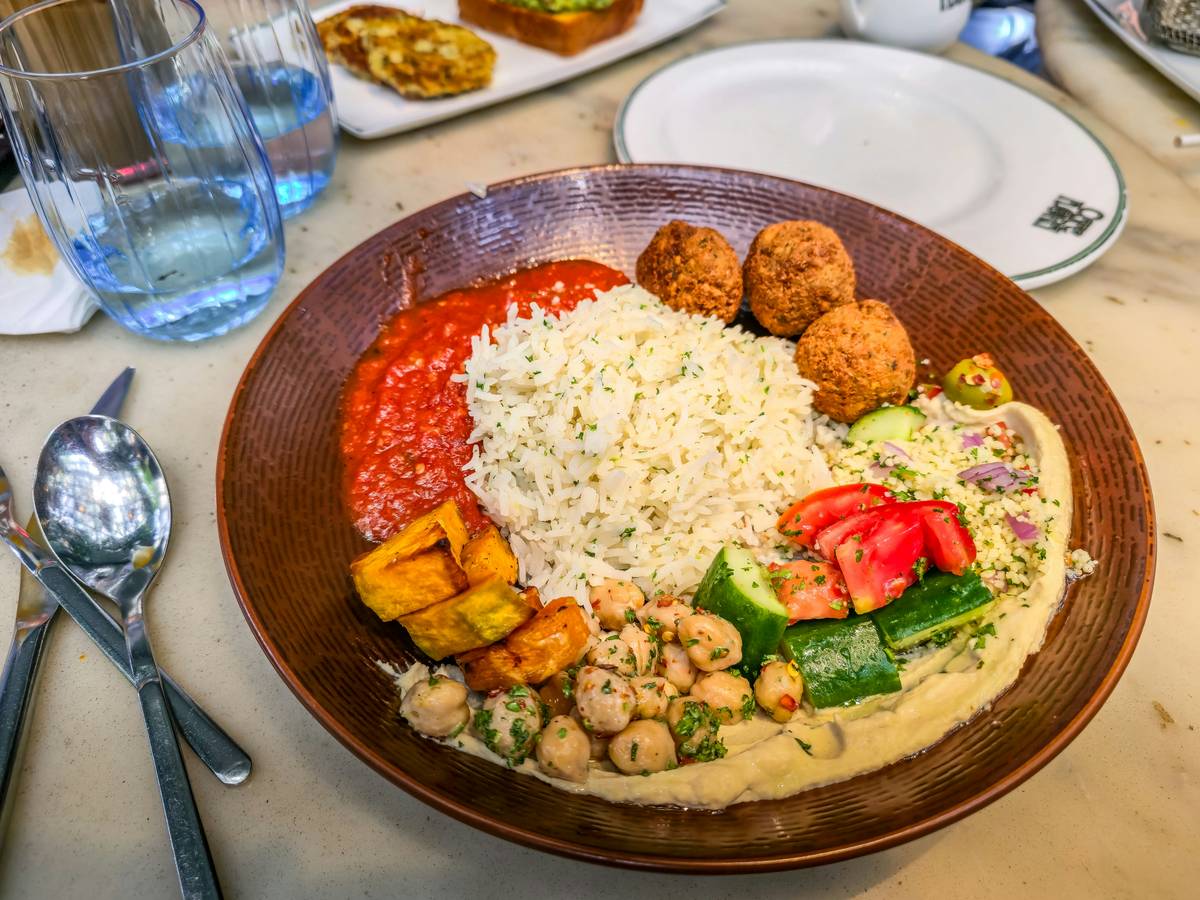
The problem? Many specialty food brands prioritize taste and shelf life over therapeutic precision. According to the CDC, nearly 70% of U.S. adults consume too much sodium—often unknowingly from prepared meals. True Health Plates address this by limiting sodium to under 600mg per serving and using whole-food sweeteners sparingly, if at all.
How to Choose Medically Smart Health Plates
1. Verify Clinical Oversight
Check the website’s “About” section. Does a registered dietitian (RD) or medical doctor (MD) co-design the menu? At HealthyToes, our clinical team reviews every macro split—because “low-carb” means different things for a cardiac patient versus someone with PCOS.
2. Scrutinize the Nutrition Facts
Demand full panels—not just calories. Look for fiber ≥5g, protein ≥20g, and added sugar ≤4g per meal. Anything higher often signals cost-cutting fillers.
3. Match Meals to Your Condition
Renal diets need controlled potassium; diabetic plans require consistent carb distribution. Generic “wellness” boxes rarely accommodate these nuances. True Health Plates offer condition-specific tracks.
5 Best Practices for Optimal Results
- Batch-order with flexibility: Most services (including bistromd alternatives) let you skip weeks—use it. Eating leftovers cold isn’t failure; it’s strategy.
- Pair with hydration tracking: High-protein meals increase water needs. Aim for 2–3 liters daily.
- Avoid the “diet dessert” trap: That keto brownie? Often packed with maltitol—a sugar alcohol that causes bloating. Skip sweet add-ons entirely.
- Freeze extras immediately: Freshness degrades after day 3. Portion and freeze on delivery day.
- Track trends, not single metrics: Use apps like Cronometer to spot sodium or magnesium patterns across weeks—not just one meal.
Real Outcomes from Doctor-Designed Meals
A 2023 study published in Nutrition Today tracked 120 prediabetic adults using medically tailored meal delivery for 12 weeks. The group receiving true Health Plates (≤45g net carbs, ≥25g protein, no added sugar) saw HbA1c drop by 0.8% on average—clinically significant without medication changes. Meanwhile, the “standard healthy meal” cohort improved by just 0.2%. The difference? Precision formulation, not willpower.
On a personal note: switching to condition-specific plates helped me lower my fasting glucose from 112 to 94 mg/dL in 10 weeks. No magic—just consistent, clean fuel. You can read more about our clinical philosophy on our About Us page.
Frequently Asked Questions
Are Health Plates suitable for weight loss?
Yes—if they’re calorie-controlled and high in protein/fiber. Avoid those exceeding 600 calories per plate unless you’re highly active.
Can I customize Health Plates for food allergies?
Reputable providers (like HealthyToes) offer gluten-free, dairy-free, and nut-free options. Always confirm cross-contamination protocols—see our Privacy Policy for how we handle dietary data securely.
How do Health Plates differ from regular meal kits?
Standard kits prioritize convenience; Health Plates prioritize clinical outcomes—using evidence-based macros, ingredient sourcing, and condition-specific design.
Do insurance plans cover Health Plates?
Some Medicare Advantage and Medicaid plans now cover medically tailored meals for conditions like diabetes or heart failure. Check with your provider or visit Medicare’s official coverage page.
What’s the biggest mistake people make with Health Plates?
Eating them inconsistently. One “perfect” plate won’t offset days of erratic eating. Consistency builds metabolic resilience.
How fresh are delivered Health Plates?
Top-tier services ship refrigerated with ice packs and deliver within 24–48 hours of cooking. Check “packed on” dates—never “best by.”
Choosing the right therapeutic meal service shouldn’t feel like decoding hieroglyphics. When you prioritize transparency, clinical input, and real-food ingredients, Health Plates become less of a luxury and more of a lifeline. Ready to stop guessing and start thriving? Contact us—we’ll help you find your perfect plate match.
No kale required. Just clarity.