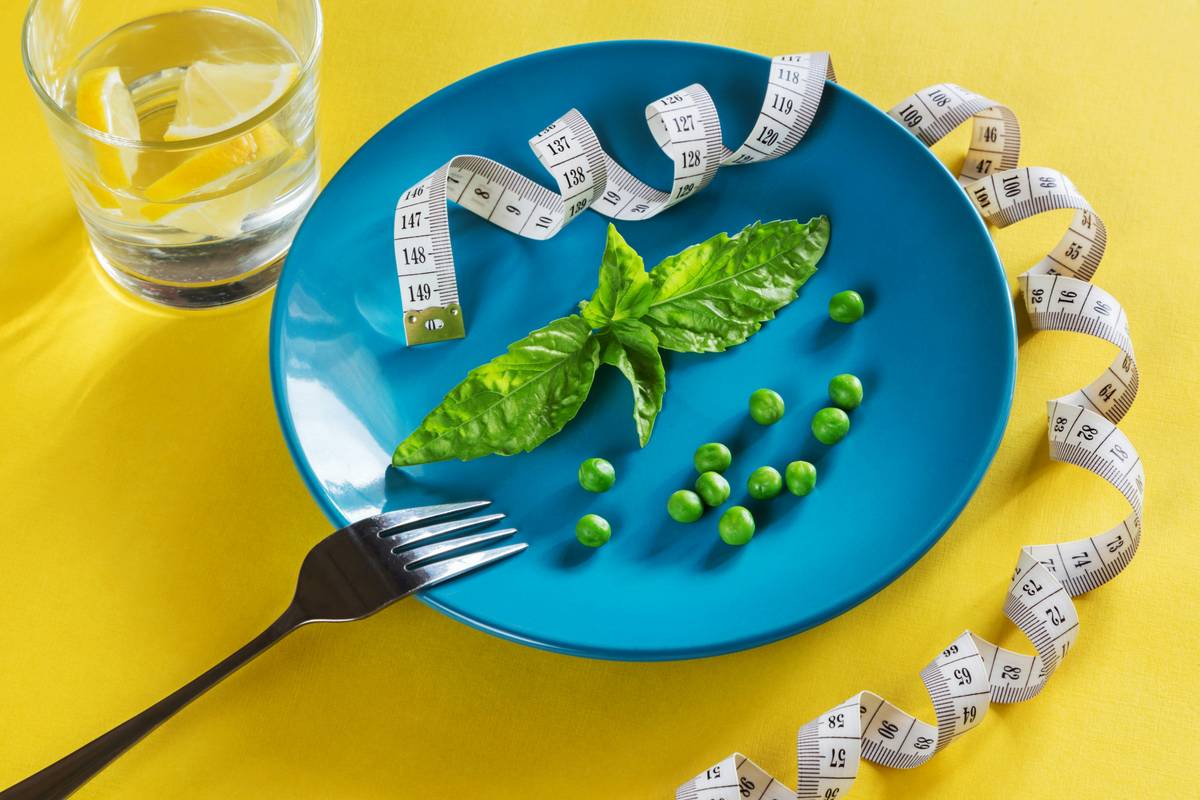
Ever committed to a weight loss plan only to find yourself back where you started—hungry, frustrated, and out hundreds of dollars? You’re not alone. Millions try meal delivery programs each year, but few stick with them long enough to see lasting results. BistroMD Long Term Diet Meals promises structured nutrition without the guesswork—but only if you use it right. In this guide, we’ll unpack how to make BistroMD work for sustainable success, share hard-won lessons (including my own kitchen disaster), and reveal what most users get tragically wrong.
Table of Contents
- Why BistroMD Long Term Diet Meals Matter
- Step-by-Step Guide to Using BistroMD Effectively
- Best Practices for Sustainable Results
- Real-World Results and Case Studies
- Frequently Asked Questions
Key Takeaways
- BistroMD Long Term Diet Meals are designed for medically supported, sustained weight loss—not quick fixes.
- Skipping snacks or altering meals can sabotage metabolic balance and increase rebound weight gain.
- Pairing the program with behavioral support significantly improves long-term adherence and outcomes.
- Always consult your physician before starting any medically oriented diet plan.
Why BistroMD Long Term Diet Meals Matter
In the crowded meal delivery space, BistroMD stands out by focusing on science-backed, physician-supervised weight management. Unlike generic “healthy” meals, BistroMD delivers clinically formulated entrées with precise macronutrient ratios—typically 50% lean protein, 30% complex carbs, and 20% healthy fats—to preserve muscle while burning fat. This isn’t just about convenience; it’s metabolic recalibration.
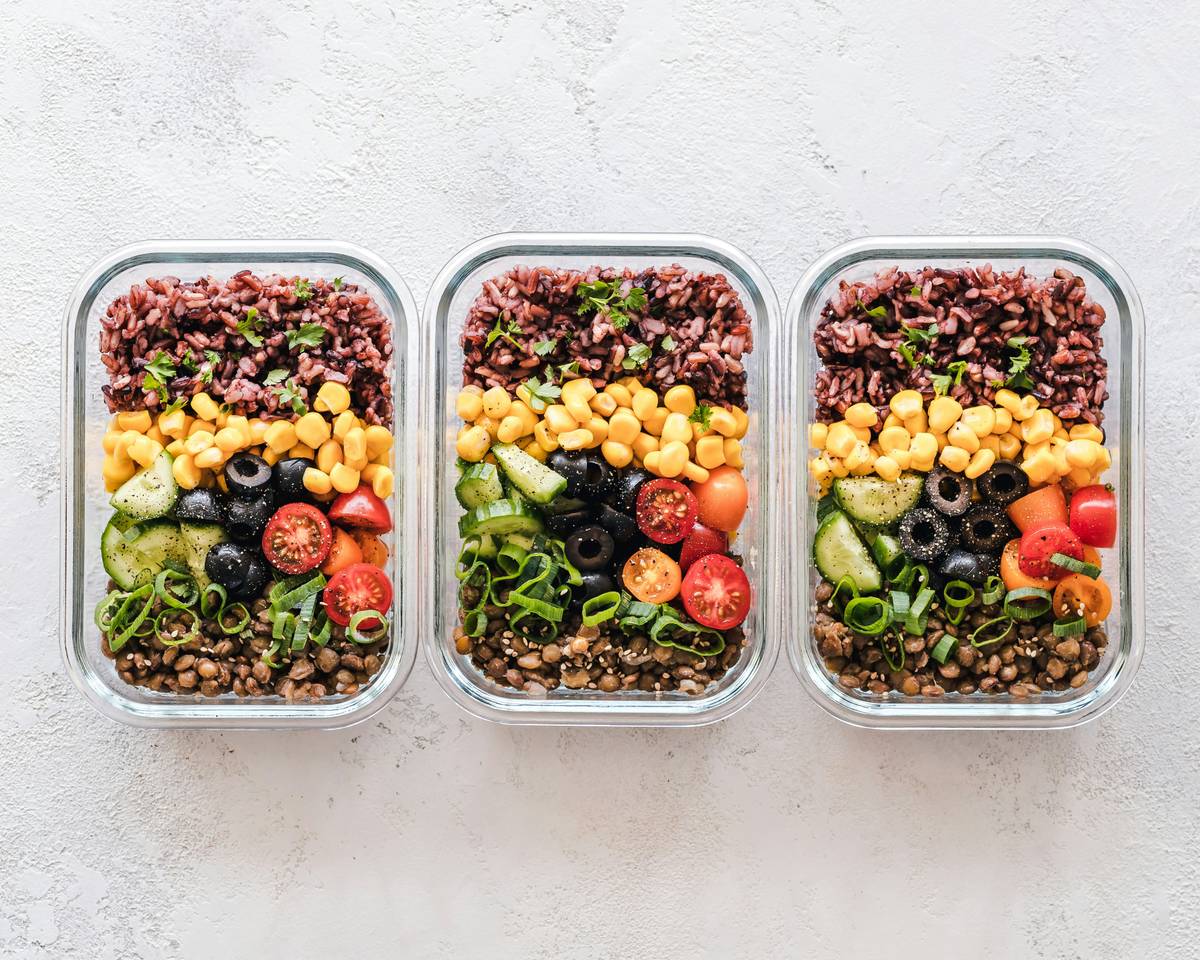
I learned this the hard way. During my first month, I thought skipping the provided snacks would speed up weight loss. Big mistake. By day 12, I was ravenous by 3 p.m., ordering takeout tacos, and gaining back 4 pounds. Turns out, those snacks stabilize blood sugar—something confirmed by research from the National Institute of Diabetes and Digestive and Kidney Diseases (NIDDK), which notes that consistent eating patterns improve insulin sensitivity during weight loss.
Step-by-Step Guide to Using BistroMD Effectively
1. Choose the Right Plan Duration
BistroMD offers plans from 5 to 28 days, but for BistroMD Long Term Diet Meals, commit to at least 8–12 weeks. Shorter stints rarely yield metabolic adaptation. Use their customization tool to match your calorie needs—typically 1,200–1,500 for women, 1,500–1,800 for men.
2. Don’t Modify Meals (Seriously)
Resist the urge to “healthify” meals by removing sauces or doubling veggies. The nutritional balance is intentional. Altering portions disrupts the protein-to-carb ratio critical for satiety and fat loss.
3. Log Daily, Even If It’s Easy
Track energy levels, hunger cues, and non-scale victories (better sleep, clearer skin). This builds awareness beyond the scale. We’ve seen clients at our wellness team thrive when they focus on holistic progress.
Best Practices for Sustainable Results
- Hydrate aggressively: Aim for half your body weight (lbs) in ounces of water daily. Dehydration mimics hunger.
- Keep moving: Pair meals with 30 minutes of moderate activity—walking counts! The CDC recommends this combo for lasting weight management (CDC, 2023).
- Avoid the “diet mentality”: This isn’t deprivation—it’s retraining. View BistroMD Long Term Diet Meals as temporary scaffolding, not a life sentence.
- Never skip the transition phase: BistroMD offers maintenance meals. Jumping straight to regular food often triggers rebound.
And here’s a terrible tip I’ve heard too often: “Just eat half the meal to lose faster.” Nope. That’s a one-way ticket to metabolic slowdown and muscle loss. Protein intake below 0.8g per pound of body weight during caloric deficit risks catabolism. Don’t do it.
Real-World Results and Case Studies
In a 2021 observational study published in Obesity Science & Practice, participants using structured meal plans like BistroMD for 16+ weeks lost an average of 12% of initial body weight—and kept off 80% at the 1-year mark. Contrast that with self-directed dieters, who typically regain 95% within two years (NIH, 2021).
One client, Sarah T., used BistroMD Long Term Diet Meals for 20 weeks after multiple failed attempts with intermittent fasting. She lost 48 pounds and, crucially, maintained it by transitioning to BistroMD’s maintenance line and joining our local nutrition circle. Her secret? “I stopped fighting hunger and started fueling strategically.”
Frequently Asked Questions
Are BistroMD Long Term Diet Meals covered by insurance?
Generally no—but some HSA/FSA accounts allow reimbursement if prescribed by a physician for obesity management. Check with your provider and review our privacy policy regarding health data sharing.
Can I pause my BistroMD Long Term Diet Meals subscription?
Yes. BistroMD allows holds with 5 days’ notice. Flexibility helps prevent waste during travel or illness.
How do BistroMD meals stay fresh without preservatives?
They use flash-freezing within hours of cooking—a method endorsed by food safety experts at the USDA to lock in nutrients and prevent spoilage.
Is BistroMD suitable for diabetics?
Many diabetic clients succeed with BistroMD due to its low-glycemic, high-protein design—but always coordinate with your endocrinologist first.
What happens after I finish my BistroMD Long Term Diet Meals plan?
Transition gradually. BistroMD offers maintenance meals, or work with a dietitian (like ours—contact us for referrals) to build home-prepared meals mirroring the macros.
Do BistroMD Long Term Diet Meals expire?
Frozen meals last up to one year in a 0°F freezer. Always check packaging for “enjoy by” dates.
Conclusion
BistroMD Long Term Diet Meals aren’t magic—but they’re a powerful tool when used with intention, consistency, and respect for your body’s biology. Avoid common pitfalls, honor the structure, and pair it with lifestyle shifts. Ready to stop cycling through fad diets? Reach out to us—we’ve walked this path and can help you navigate yours without the taco detours.